Ancient Eyes on Cornwall’s Seas
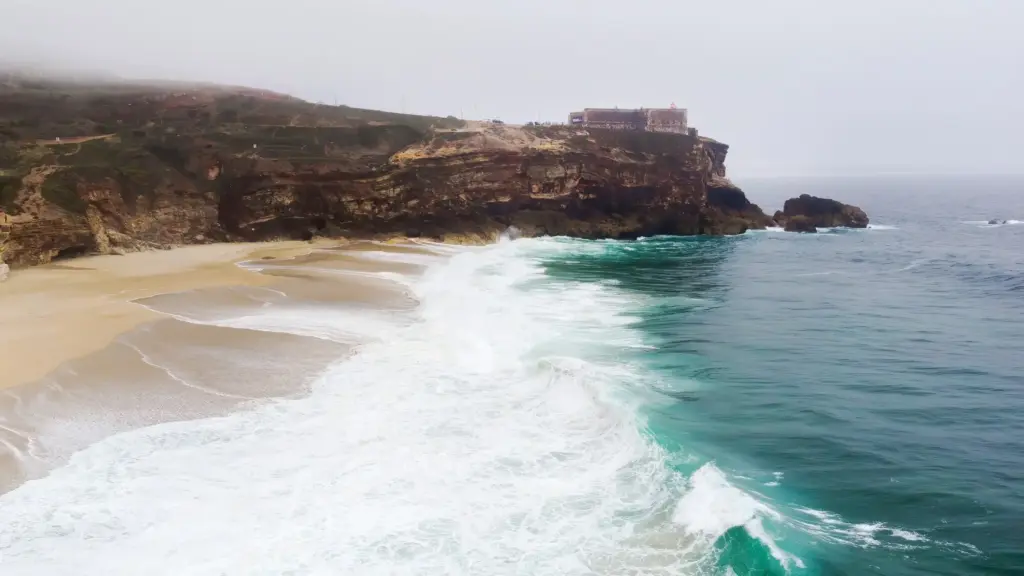
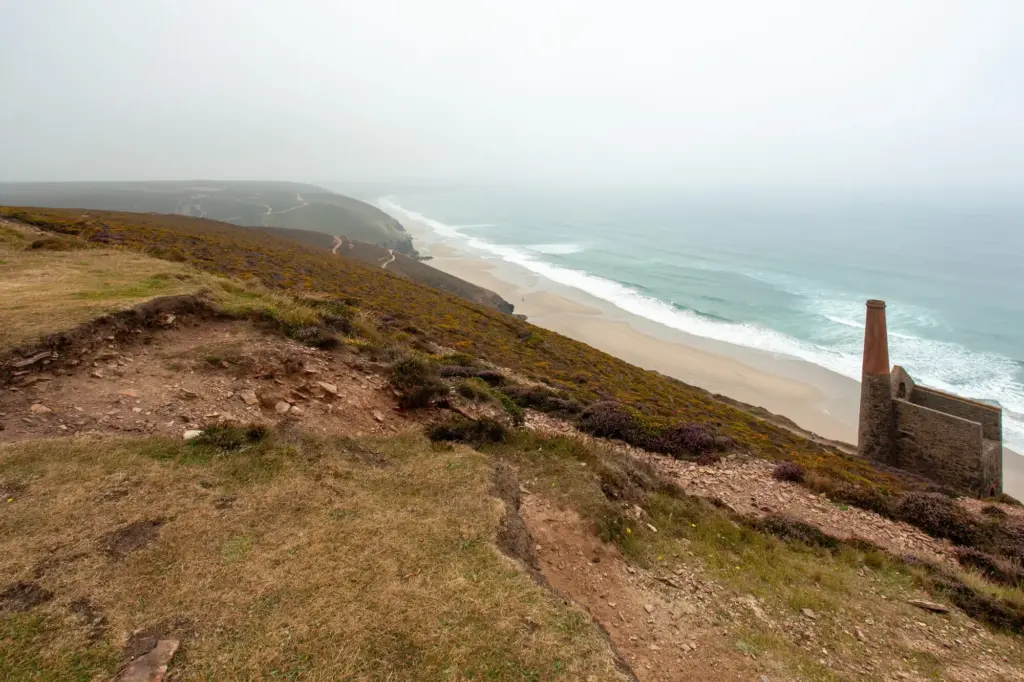
Today we step into the world of historic lookouts and Huer’s Huts, those traditional vantage points that watched over Cornwall’s waters, guided fishing fleets, and guarded lives. Discover the cry of “Hevva!”, the whitewashed silhouettes on storm-bitten headlands, and the communities that kept vigil. Share your memories, add your photos, and help keep these salt-streaked stories alive by subscribing, commenting, and recommending places others might have missed along the coast.

Calls Across the Tides

Before engines hummed and radios crackled, human eyes and practiced intuition ruled the shoreline. From their perches, watchers traced shifting patterns on the sea, read wind and light, and signaled crews below. The ritual cry carried over the cliff edge, turning chance into livelihood. Through recollections and careful observation, we can still hear those calls and understand how a single voice once synchronized an entire harbor’s heartbeat.

The Signal That Fed Villages

The famous “Hevva! Hevva!” rang out when shoals flashed like living mercury. A raised branch, a waved cloth, or urgent arm movements directed boats into position, tightening graceful arcs of net and hope. That sound meant work, risk, and supper. It threaded families together, let children recognize prosperity by pitch, and told merchants when to gather barrels, salt, and strong backs for a long night’s packing.

Finding Shoals from Rock and Lime

The choice of each lookout was never random. Whitewashed walls gleamed for visibility; sweeping views met predictable currents; footpaths offered quick access to skippers awaiting signals. Observers learned textures of distant water, noticing dark slicks, restless birds, or unusual rips. Understanding such signs turned cliffs into classrooms. A lifetime of winter gales and late-summer haze refined a practical wisdom that could not be fully written down.

Echoes in Today’s Festivals

Though the great pilchard runs have faded, communities occasionally reenact the cry, gathering on promenades and headlands to remember. Costumed volunteers demonstrate signals, museums share photographs, and children shout into the wind, surprised by the way sound carries. These living moments matter: they connect visitor and local, giving context to an intriguing white building and explaining why a word once meant bread, rent, and a calmer winter.

Inside a Shelter Built for Weather

Step inside and the wind’s teeth soften. Benches run low beneath windows positioned to rake across horizon and bay. The room is modest, but every angle serves purpose: to watch, to warm chilled hands, to scribble notes, to store a lantern. One can almost feel wet wool steaming, boots scraping grit, and the tense patience of waiting for a silver flicker to betray the sea’s secret.

Craft of Lime and Stone

Builders used local stone, quick to hand, binding it with lime that allowed walls to breathe. Annual washes renewed protection and brightness, a communal act often folded into spring chores. Corners were rounded to blunt storms; doorways sat low to reduce drafts. Repairs told stories: a patch after the equinoctial blow, a new lintel traded for labor, and a window repaired when a rogue wave climbed improbably high.

Keeping Them Standing

Today, caretakers balance authenticity and safety. Conservationists stabilize masonry, replace failing lime with compatible mixes, and document original details before any change. Volunteers scrub salt, clear brambles, and report damage after tempests. Local councils, heritage groups, and passionate neighbors collaborate quietly. Visitors help too, by treading lightly, closing doors against squalls, and supporting organizations that ensure these small white beacons continue pointing memory toward the ever-restless horizon.

Watch Houses, Daymarks, and Sea Safety
Beyond the fishing season, other sentinels guided mariners and guarded lives: watch houses tracked storms, daymarks signaled position in daylight, and lighthouses took over when fog and darkness gathered. Each structure formed part of a coastal language readable to those who listened. Together they reduced guesswork, turning dangerous ambiguity into confirmed bearings, timely warnings, and coordinated responses that made the difference between triumphant homecomings and mournful silences.

Trails Linking Clifftop Stories

Paths along the South West Coast reveal how vantage points converse across bays. A morning’s walk can thread sheltered coves, exposed ridges, and old cart tracks once used for nets and barrels. Each ascent rewards with a new sweep of water; each descent shares whispers of harbors and cellars. With a map, stout boots, and attention to weather, these trails become moving classrooms in light, wind, and perspective.

Diaries of Pilchard Seasons

Seasonal rhythms filled pages with practical poetry: first sightings, swift launches, aching backs, and barrels counted by lantern light. Entries note who mended what, which wind pinched hardest, and where shoals slipped like shadows. When fortunes faltered, lines tightened; when luck bloomed, songs rose. Reading these accounts today, we gain not statistics but texture, understanding how a coastline’s economy pulsed through a thousand careful, unglamorous decisions.

Women, Children, and the Crying Shore

Photo albums and interviews remind us that labor stretched beyond boats. Women graded, salted, packed, and managed credit. Children carried messages, gathered kindling, and learned to read weather from elders’ faces. The call from the heights translated into meals, rent, and schoolbooks. A community’s resilience depended on many hands moving in rhythm, each role essential, each effort woven into a shoreline that never paused long enough to be tamed.

From Pilchard to Pilgrim

As industries shifted, meaning endured. Walkers arrive seeking views and leave with stories; families return to show grandchildren the old white shelter and retell the cry that once organized an entire harbor. Guides, curators, and local historians connect dots, turning scattered facts into felt understanding. In this way, an economy’s eclipse becomes a culture’s afterglow, illuminating how care for place can outlast the work that first built it.

Voices Preserved in Memory

Archives and museums hold fragments of daily life: notebooks inked with tides, photos of crowded quays, and receipts for salt that once gilded fortunes. Oral histories bring silhouettes into focus, recalling jokes on weathered steps, arguments about nets, and quiet fear before a winter blow. Together, these traces teach empathy, showing how courage often looked like routine, and expertise sounded like understatement uttered with chapped lips.

Plan Your Own Coastal Exploration

Your journey can begin with a simple plan: check tides, study maps, and leave room for weather to reshuffle expectations. Choose short loops for a gentle day or longer traverses when light stretches. Pack layers, water, and respect for cliffs, creatures, and communities. Then share what you discover so others can learn, too. Comments, photos, and small donations to caretakers transform admiration into practical, sustaining help.
Glasscoating-new
Privacy Overview

This website uses cookies so that we can provide you with the best user experience possible. Cookie information is stored in your browser and performs functions such as recognising you when you return to our website and helping our team to understand which sections of the website you find most interesting and useful.