Timing the Tide: Cornwall’s Living Seascapes
Today we explore tide‑timed seascape photography around Cornwall, planning shots around changing water levels that reshape coves, reefs, and harbor stones by the hour. Discover how charts, light, and safe access combine to unlock fleeting compositions as causeways appear, rock pools glow, and surf textures paint luminous lines across the shoreline. Learn practical steps for planning, improvising, and staying safe, then share your favorite spots and subscribe for field notes, maps, and gentle reminders timed to the moon’s pull and the ocean’s pulse.
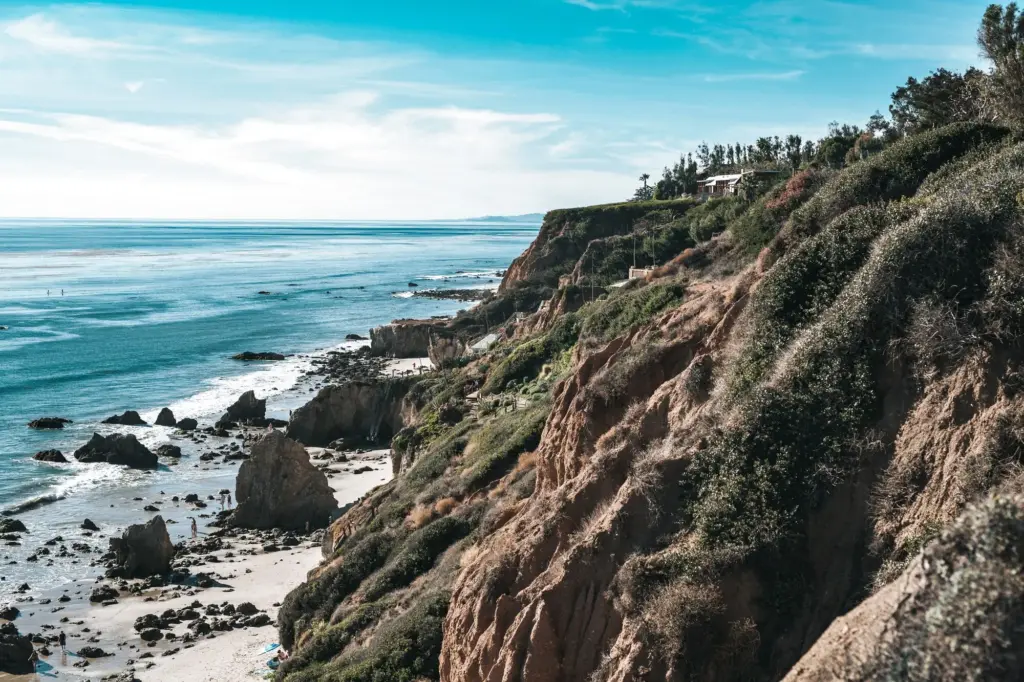
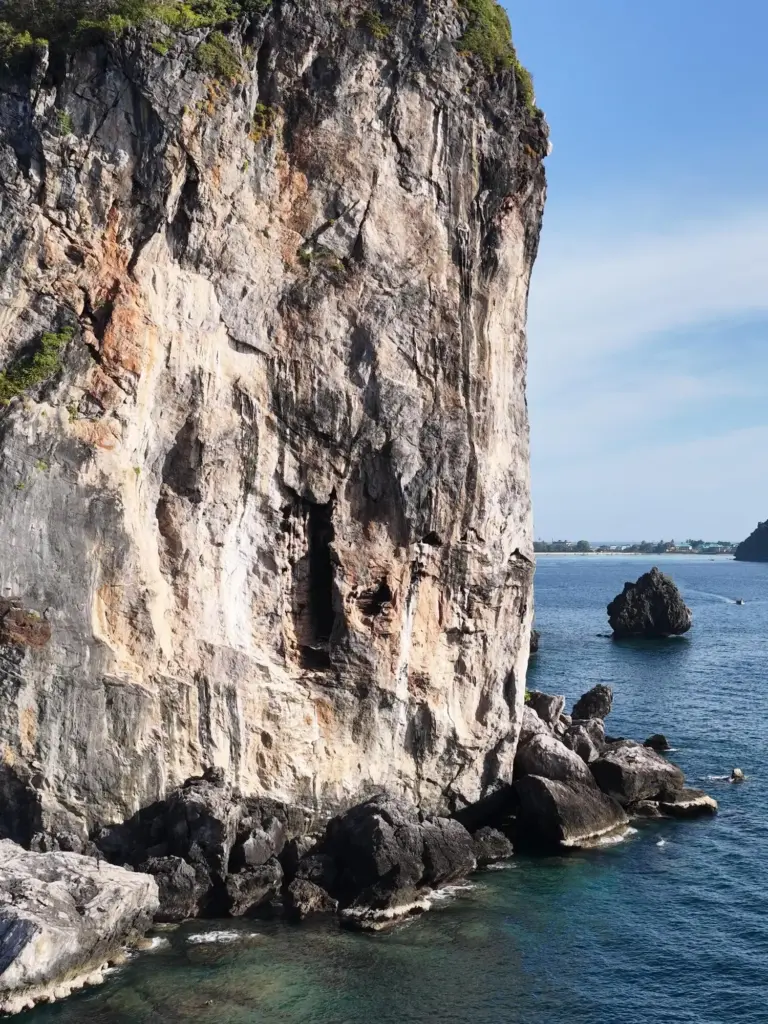
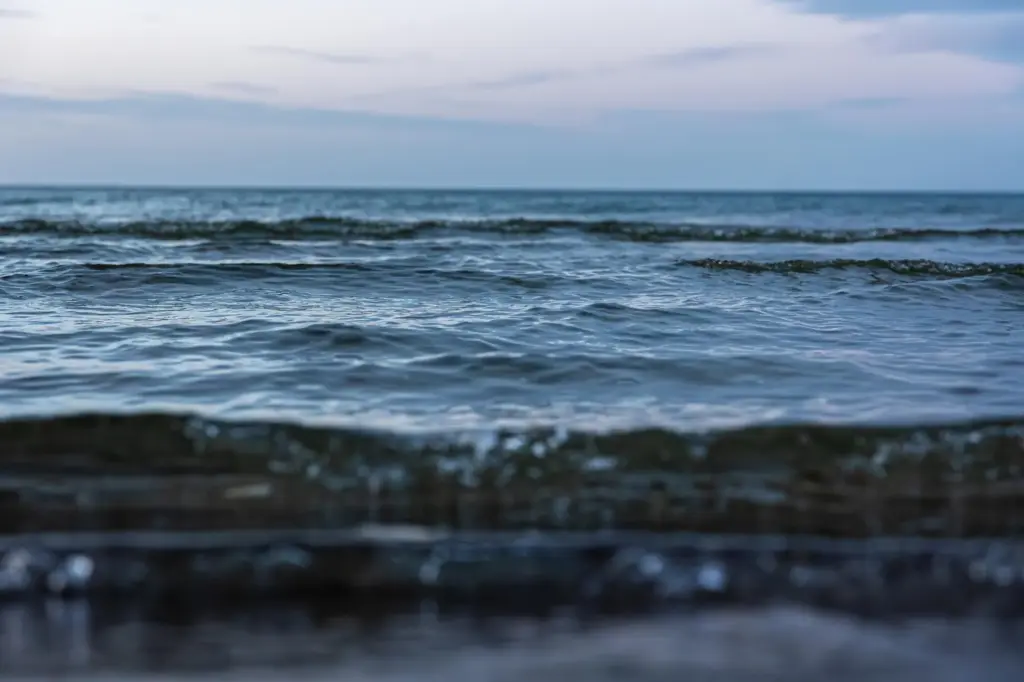
Decoding Tide Tables Without Guesswork
Treat tide tables as musical notation for water’s rhythm. Check local datum references, note daylight saving adjustments, and set alerts around predicted highs and lows with generous buffers. Cross‑verify with a second source, then observe reality on site, adjusting expectations for pressure anomalies and persistent winds that can hold levels high or low, quietly reshaping your intended timings and the tempo of each photograph you hope to craft with precision and calm.
Spring, Neap, and the Lure of the Mid‑Tide
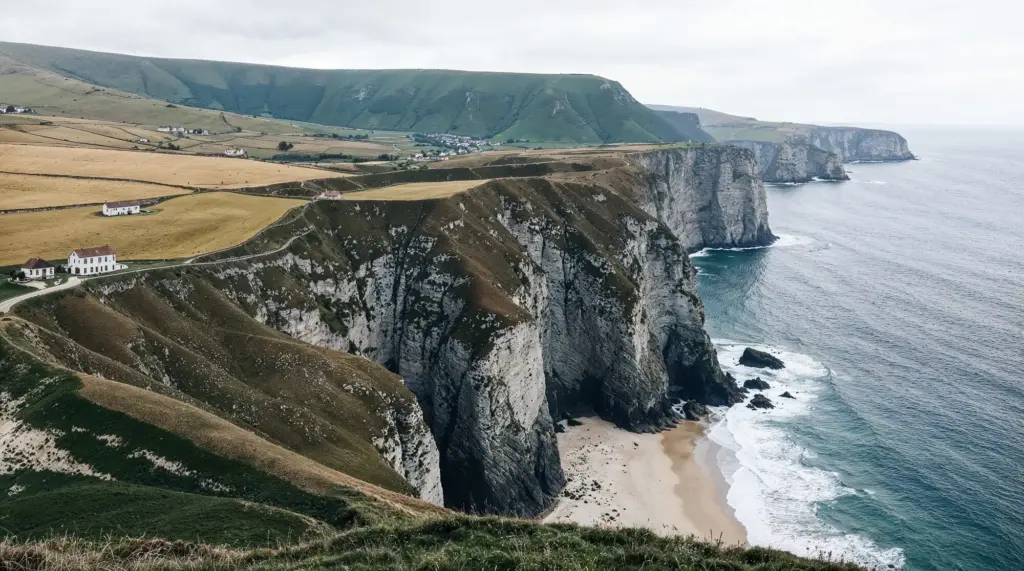
Big spring ranges reveal dramatic ledges and stranded pools, yet mid‑tide often offers the sweetest balance: enough water movement for living leading lines, enough exposure of rock textures to anchor frames. Neap cycles, with calmer shifts, reward patience and micro‑changes. Aim to arrive early, track the moving edge every few minutes, and commit to one evolving composition, refining shutter speed and angle as the shoreline redraws itself beneath soft light and rhythmic, predictable surges.
Scouting Cornish Shores Before the Swell Arrives
A successful session begins days earlier with maps, satellite imagery, and low‑tide walking. Kynance Cove’s serpentine channels, Trebarwith Strand’s platforms, and the cobbled approach to St Michael’s Mount all change character with depth and direction. Identify access windows, mark safe exits, and note alternative vantage points if wind shifts or swell exceeds forecasts. Build a small decision tree, so when conditions surprise you, the next location is already visualized with compositions primed for the exact water level arriving soon.
Mapping Safe Retreat Paths and Exit Ladders
Before chasing a receding foam line, trace your return route twice. Photograph steps, ladders, and sloping gullies on your phone for quick reference in low light. Mark times when crossings close, choose a higher backup perch, and keep energy in reserve. If a channel feels questionable dry‑footed, it becomes reckless once wet. Prioritize exits over angles, because a brilliant frame is worthless if the sea claims your path while you check histogram or filters.
Kynance, Trebarwith, and the Drama of Revealed Platforms
At Kynance, volcanic spires guard polished corridors that sing at mid‑to‑low water under golden side‑light. Trebarwith unfurls layered platforms that sculpt silky runbacks and elegant S‑curves with a modest long exposure. Scout at dead low to memorize textures and fissures, then return as the sea kisses edges and animates patterns. Favor compositions that mature through a complete set, letting each receding wave redraw leading lines and spray crowns without overwhelming delicate foreground details you carefully selected.
When the Sea Blocks Your Plan, Pivot Fast
If a rip line cuts your corridor or glare consumes the frame, move quickly rather than forcing a stubborn idea. Shift to a cliff overlook where elevation smooths chaos into legible geometry. Swap a wide lens for a tighter perspective, isolating interplay between light and foam. Keep a short list of substitute scenes—harbor walls, dune ridges, or backlit spray at distance—so momentum continues and inspiration stays high even when tides complicate your first intention.
Matching Golden Hour to the Lowest Exposures
When the sun brushes horizon lines, time shutter speeds to complement water’s character at that very depth. Short exposures freeze crystalline detail at the foam edge; moderate drags reveal elegant ribbons; longer blends invite ethereal calm. Meter for highlights along wet rock sheen, protect texture, and adapt instantly if a brighter cloud bank lifts levels. The moving boundary becomes both metronome and canvas, urging small refinements that accumulate into a resonant, cohesive seascape.
Harnessing Backlight for Spray and Veil
Stand slightly off‑axis to the sun and watch spray transform into suspended beads, each catching light like sequins on invisible threads. Use a lens hood, manage flare edges, and embrace selective silhouette where cliffs frame negative space. A polarizer at minimal strength controls harsh specular points without flattening sparkle. Time captures to the peak of a breaking set, then immediately recompose for the gentle exhale that leaves lace patterns sliding back toward polished stones.
Rain, Mist, and Color Theory on Grey Evenings
Grey Cornish evenings favor nuance: cobalt shadows in carved channels, muted greens across kelp‑brushed ledges, and a pewter sky echoing along glassy pools. Lean into complementary hints—rusty lichen against blue water, warm sand against cool vapors. Underexpose slightly to protect micro‑contrast, then nudge midtones in post without erasing atmosphere. Mist simplifies backdrops, letting a single rock or distant headland carry the story while tide lines create soft hierarchies guiding viewers from foreground to horizon gracefully.
Compositions That Evolve Every Fifteen Minutes
Tidal edges rewrite geometry continually. What sang at minus half an hour may crowd at plus fifteen. Build frames that tolerate change: foreground anchors resistant to chaos, midground pathways re‑drawn by foam, and horizons that absorb shifting clouds. Let repetition refine your idea, pressing the shutter at micro‑moments where curves align and reflections deepen. Accept impermanence as collaborator, returning to the same rock multiple times to witness an unfolding series rather than one definitive gesture.
Technique and Tools for Salt and Speed
Saltwater punishes gear, and tight windows demand nimble technique. Pack a polarizer, a modest ND set, lint‑free cloths, and a weather cover you can deploy one‑handed. Tripod spikes grip algae‑slick ledges; a stable strap keeps hands free while retreating. Practice focus stacking, exposure bracketing, and quick filter swaps at home. In the field, simplify: build a dependable baseline, adapt exposure with intention, and keep lenses clean so the ocean’s textures remain crisp without ghosting or haze.
Safety, Care, and Community
Cornwall rewards attentiveness and respect. Read swell forecasts, count sets, and never gamble with a narrowing exit. Keep to dry rocks when uncertain, protect nests and haul‑outs, and leave pools undisturbed. Share tide‑timed insights generously, credit local guidance, and encourage beginners to practice from safe overlooks before venturing onto ledges. Comment with your favorite coves, subscribe for future field guides, and join conversations that elevate craft, stewardship, and the quiet wonder that drew you here first.
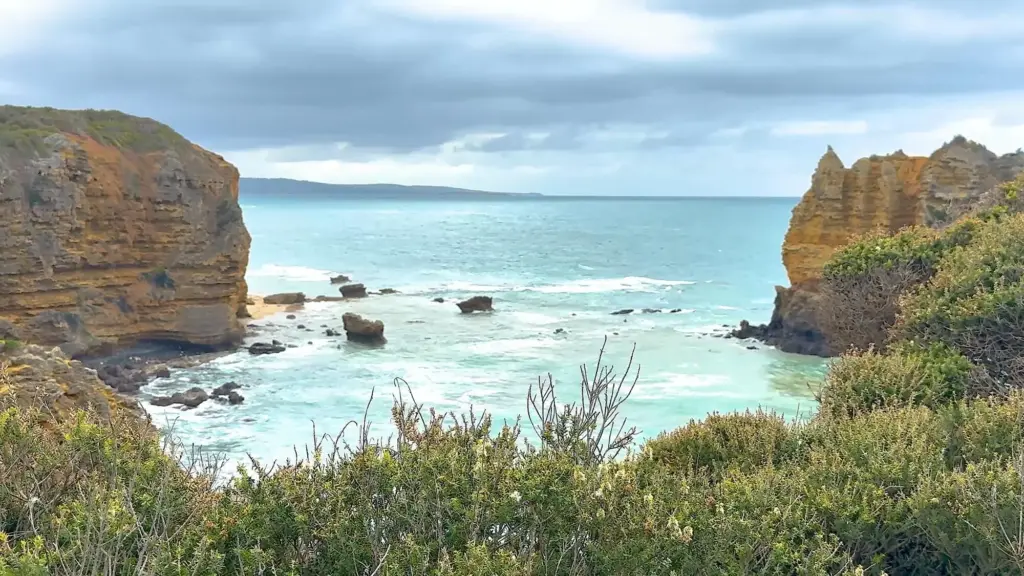
Reading Swell, Sets, and Sneaker Waves
Count waves patiently to understand rhythm, noticing how every fifth or seventh set may run longer and further. Keep a mental safety margin beyond that reach. Watch reflections from cliff faces that amplify water in odd corners. If shoes or ankles get wet unexpectedly, retreat immediately and reset. Photography thrives on composure, not bravado, and mindful spacing between you and the ocean’s power ensures you return with both images and energy for tomorrow’s rising opportunities.
Respecting Wildlife, Fishermen, and Fragile Algae
Shorebirds feed on receding edges; seals nap in quiet bowls; fishermen work lines and pots with schedules bound to tides. Give space, mute your presence, and avoid trampling delicate algal mats that stitch ecosystems together. Coordinate with anglers when sharing platforms, yield right of way, and pack out every scrap. A considerate approach preserves more than scenery—it sustains relationships and access, ensuring future dawns welcome tripods rather than barriers or justified frustration from local communities.
All Rights Reserved.